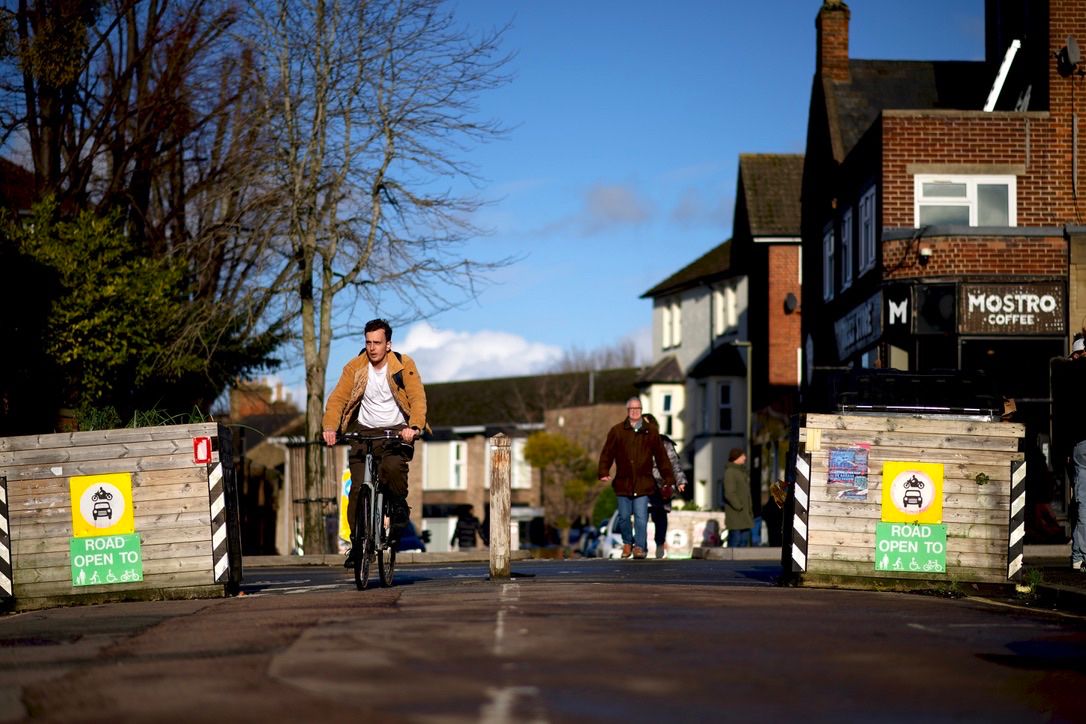
A third year of road casualty data from the Cowley Low Traffic Neighbourhoods (LTNs) in Oxford shows continuing records for low casualties, and over three years, an estimated 33 people have avoided injuries from road crashes in the LTNs and boundary roads.
Within the LTNs, casualties are well under half the pre-LTN rate, and when boundary roads are included, the reduction is more than one-third.
Collisions in Oxford Cowley LTNs
Three new Low Traffic Neighbourhoods (LTNs) were implemented in Cowley, Oxford in April 2021, adding to other LTNs in all parts of the city. Since then, every year has shown a lower level of casualties than the pre-LTN (and pre-Covid) average.
“With three years of consistent data from Police casualty reports showing far fewer injuries in both the LTNs and the boundary roads, the Cowley LTNs have saved more than 30 people from getting injured. As far as we are concerned, there is no way that anyone should be thinking about reintroducing through traffic and injuries to these quiet streets, just to save a few minutes on someone’s car journey,” said Robin Tucker, Co-Chair of CoHSAT.
These results are consistent with other studies that show that Low Traffic Neighbourhoods reduce road casualties by half or more, including a study of 72 LTNs in London[1]. The Sunak Government’s March 2024 Low Traffic Neighbourhoods Review[2] also concluded that “there is evidence that there has been less street crime and improved road safety within LTNs.”
The reductions on boundary roads appear to arise from removing collisions caused by rat-running drivers turning in and out of the residential streets. Most that remains are at non-LTN junctions.
Mr. Tucker continued, “The people how aren’t injured will probably never know. But another big benefit is the reduction in workload for the emergency services: the police, ambulance, fire and hospital emergency rooms – this all helps other people. And other road users will benefit from fewer traffic jams caused by collisions.”
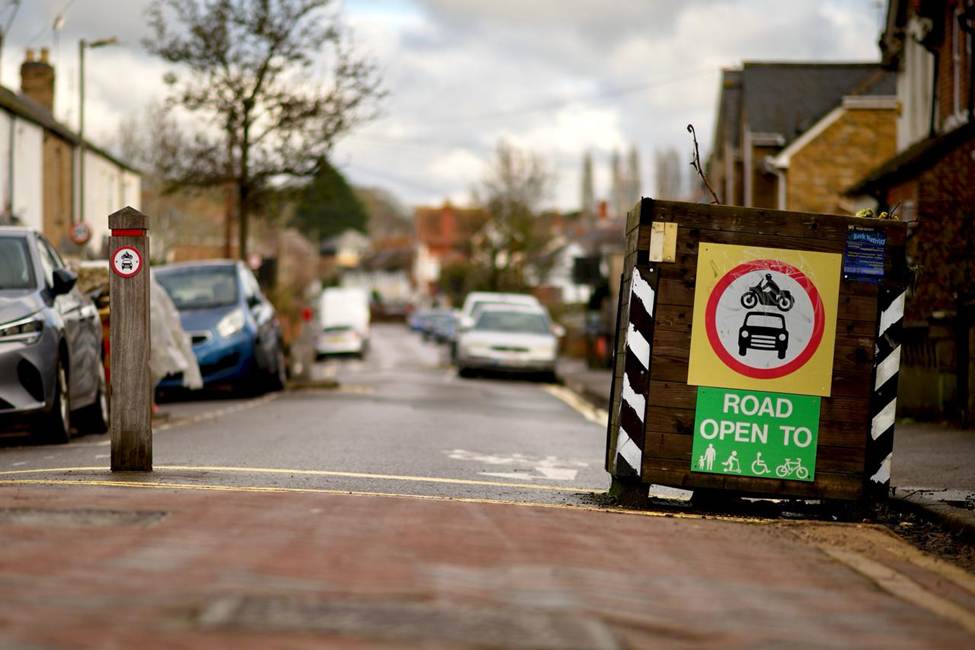
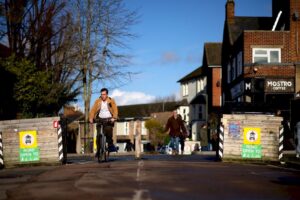
A Low Traffic Neighbourhood filter in East Oxford
For Oxfordshire Liveable Streets, Siobhann Mansel-Pleydel said, “There’s a worrying complacency in how we think about road injury and death as the price of getting around — yet every collision ripples through families and communities. CoHSAT’s analysis of three years of data from the Cowley LTNs shows what’s possible when we intentionally design places, from traffic movement to street layouts, around people’s wellbeing: fewer people hurt, less trauma carried by families, and safer everyday journeys for people walking, cycling, wheeling and driving. That’s the outcome we should protect and build on.”
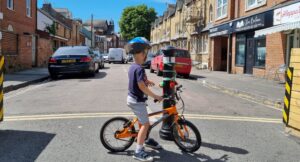
A local parent said, “Walking along Cowley Road used to be stressful with drivers turning in and out of every side street. Now Divinity Road is no longer a rat-run, I feel safe letting my older child walk to the Co-op unaccompanied.”
In addition, CoHSAT analysis shows that the March 2021 plan for three Low Traffic Neighbourhoods in Headington, which has not yet been implemented, would reduce road casualties by about 3 a year, possibly more. Hannah Kirby of Headington Liveable Streets said, “These results clearly show the injury reducing benefits of LTNs. If we applied the same benefits to Headington, we would cut the casualties in the area by 3 every year. Three families every year not having to deal with the trauma of a road violence – that is why we want to see the LTN plan for the safety benefits of removing rat-run traffic from residential streets in Headington delivered.”
Update 25 January 2026: We have added an economic analysis based on DfT methodology, which shows that the collisions avoided by the Cowley LTNs have economic benefit of over £750,000 per year – over £2 million pounds in the three years studied.
See our full analysis paper below.
[1] Impacts of 2020 Low Traffic Neighbourhoods in London on Road Traffic Injuries | Published in Findings